Surface finishing plays a crucial role in manufacturing, engineering, and metalworking, ensuring that parts are smooth, consistent, safe to handle, and ready for coating or assembly. Two of the most commonly used processes are vibro finishing and vibratory polishing. While the two terms are often used interchangeably, they are not identical; they serve different purposes and produce different results.
In this guide, we break down the differences between the two processes, explain how each works, and help you determine which method is best for your components. If you would like to explore these processes in greater detail, please visit our dedicated service page: vibro finishing vs vibratory polishing.
Understanding Vibratory Surface Finishing
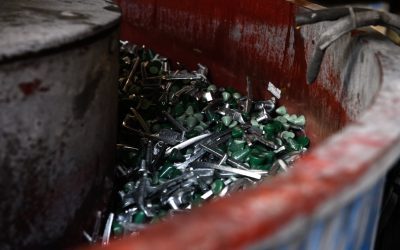
Vibratory surface finishing involves placing components into a vibrating machine, usually a bowl or trough, along with abrasive media and a finishing compound. As the machine vibrates, the media rubs against the components, gradually altering their surface. Depending on the type of media, speed, compound, and processing time, the machine can perform several types of surface treatment.
Two of the most common outcomes are:
- Vibro finishing – primarily for cutting, smoothing, and deburring
- Vibratory polishing – primarily for brightening, shining, and refining surfaces
While both processes use the same basic equipment, their goals and the media used are very different.
What Is Vibro Finishing?
Vibro finishing (also known as vibratory finishing) is a mechanical process used to remove burrs, sharp edges, flash, and machining marks from components. It is one of the most efficient ways to prepare metal and plastic parts for further processing.
What Vibro Finishing Does
- Deburrs rough edges
- Removes sharp burrs and excess material
- Creates a uniform surface texture
- Prepares parts for coating, plating, or painting
- Improves safety and handling
Due to its ability to handle large batches and produce consistent results, vibro finishing is widely used across the automotive, aerospace, engineering, and fabrication industries.
Typical Vibro Finishing Media
- Ceramic media for aggressive cutting
- Plastic media for lighter deburring
- Specialised shapes for reaching internal features
The goal is to cut and smooth the surface rather than shine it.
Best Uses for Vibro Finishing
- Parts with burrs from CNC machining
- Pressed or punched components
- Laser-cut parts with sharp edges
- Castings needing surface clean-up
- Components requiring pre-treatment before coating
If your priority is removing material and smoothing a component, vibro finishing is the ideal choice.
What Is Vibratory Polishing?
Vibratory polishing is a more refined finishing process used to create a smooth, bright, and often shiny surface on metal and plastic components. Instead of abrasive cutting media, the machine uses non-abrasive or very lightly abrasive polishing media to burnish and brighten the part.
What Vibratory Polishing Does
- Brightens and shines the surface
- Reduces surface roughness
- Removes very light imperfections
- Achieves a visually attractive finish
- Prepares parts for decorative or functional use
Unlike vibro finishing, polishing focuses on cosmetic quality rather than material removal.
Typical Vibratory Polishing Media
- Porcelain media
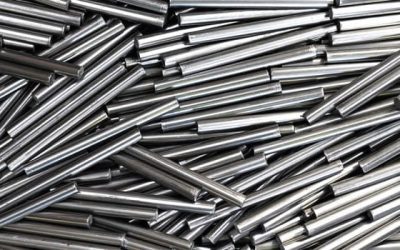
- Stainless steel pins or balls
- Corn cob or walnut shell granules
- High-gloss pre-treated media
These materials help compact the surface and produce a clean, reflective finish.
Best Uses for Vibratory Polishing
- Jewellery components
- Decorative metal parts
- Stainless steel fittings
- Aluminium housings
- Brass components requiring high shine
When aesthetics matter, vibratory polishing is the superior option.
Key Differences Between Vibro Finishing and Vibratory Polishing
Although both processes use similar machinery, the objectives, results, and media types differ significantly. Below is a clear comparison to help illustrate the distinctions.
1. Purpose
Vibro finishing:
- Removes burrs
- Smooths rough edges
- Prepares surfaces for coating or assembly
Vibratory polishing:
- Enhances shine
- Produces smooth, bright surfaces
- Creates a decorative or high-quality appearance
2. Level of Abrasion
Vibro finishing:
Uses medium to high-abrasion media for cutting and smoothing.
Vibratory polishing:
Uses low- or non-abrasive media designed to burnish rather than cut.
3. Material Removal
Vibro finishing:
Removes small amounts of material to achieve the desired shape or smoothness.
Vibratory polishing:
Removes very little or no material; it compacts and brightens the surface instead.
4. Surface Result
Vibro finishing:
Produces a smooth, matte, or satin finish.
Vibratory polishing:
Produces a bright, reflective, often mirror-like finish.
5. Processing Time
Vibro finishing:
Generally faster, depending on how much deburring is required.
Vibratory polishing:
It may take longer to achieve a high shine due to the more delicate media.
6. Suitable Applications
Vibro finishing:
- Engineering components
- Machined parts
- Castings
- Stamped or laser-cut items
Vibratory polishing:
- Jewellery
- Decorative hardware
- Stainless steel and brass components
- Branding items or displaying products
7. Media Used
Vibro finishing:
Ceramic, plastic, or abrasive media.
Vibratory polishing:
Porcelain, stainless steel, organic, or burnishing media.
Can Both Processes Be Used Together?
Yes. Many manufacturers use a two-stage process, starting with vibro finishing to remove burrs and sharpen the geometry, followed by vibratory polishing to enhance appearance. This approach is especially useful for components that need both functional smoothness and an eye-catching finish.
Choosing the Right Process for Your Components
When deciding between vibro finishing and vibratory polishing, consider these factors:
- Are there burrs or sharp edges that need removing?
Choose vibro finishing. - Do you require a bright, polished, or reflective finish?
Choose vibratory polishing. - Is the part decorative or functional?
Functional parts = vibro finishing
Decorative parts = vibratory polishing - Is the component delicate or intricate?
Polishing is often gentler, but finishing with smaller media can also handle complexity. - What is your final use case?
Engineering performance? Finish for plating? Display quality? Each scenario benefits from different techniques.
If you’re unsure, a specialist can assess the part and recommend the most suitable process or a combination of both.
Final Thoughts
Although vibro finishing and vibratory polishing are closely related, they serve very different purposes. Vibro finishing focuses on material removal, smoothing, and preparing surfaces for further processing. Vibratory polishing, on the other hand, enhances the appearance and produces a bright, refined surface suitable for decorative or high-end applications.
Understanding the differences between vibro finishing vs vibratory polishing helps manufacturers achieve the exact finish required for their components while avoiding unnecessary processing time or cost.